
Australia’s mining industry is one of the biggest employers of fly in, fly out (FIFO) workers. Resource and energy exports are worth around $405 billion a year, and many mining jobs are open to foreigners with the right visa.
So, can you earn good money on a mine site without moving there for good? Yes, you can. Here’s what FIFO work involves, how much it pays in 2026, and how to get started.
What is a FIFO worker in Australia?
A FIFO worker travels from their home to work in a remote location for a set period of time. When they finish their time on site, they fly back to their home town.
While on site, they live and sleep in a camp or nearby accommodation provided by their employer. Most FIFO workers fly from a capital city like Perth or Brisbane to remote sites in Western Australia, Queensland or the Northern Territory.
Is FIFO work hard?
The first thing you need to know about being a FIFO worker is that it’s not an easy job. You will often work long hours, sometimes seven days a week for extended periods.
The second thing is that some people don’t cope well with the lack of personal space or lack of privacy that comes with this type of job.
So, is it worth it? For many people, yes. Your flights, meals and accommodation are often covered, so you spend less and save more while you’re on site.
Time away from family can be tough, especially when they live overseas. Most large employers offer free, confidential counselling through an Employee Assistance Program. Use it if you need it.
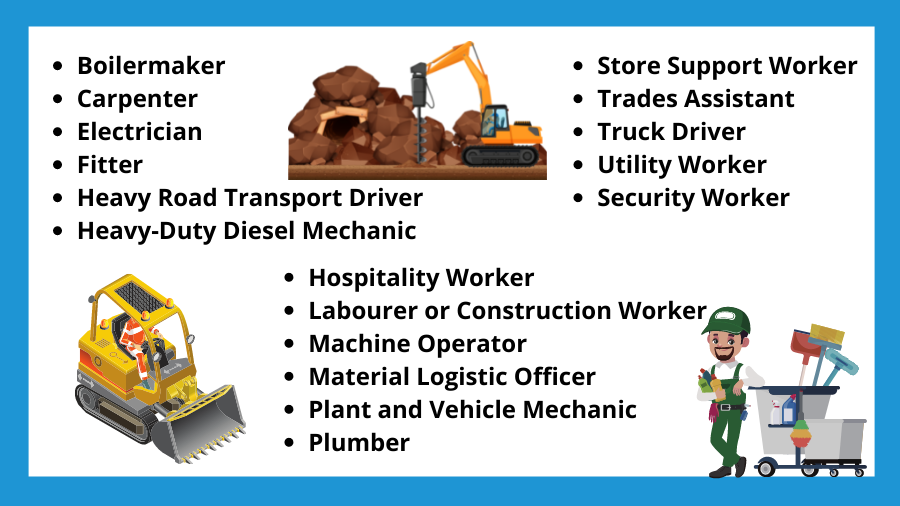
How much do FIFO workers get paid?
Foreigners may wonder how much they will get paid as a FIFO worker in Australia and the benefits of FIFO work.
Mining is a highly profitable industry, so many jobs offer strong pay and benefits from day one. As a result, FIFO workers generally earn high wages.
Some entry level roles don’t need a trade, so it’s possible to start with little experience.
Here’s the interesting part…
According to talent.com, the average FIFO salary in Australia is $120,000 per year, or about $61.54 per hour. Entry level roles start at around $85,000, and experienced workers can earn up to about $137,000.
Your pay depends on your role, your roster and the company you work for. Many employers also cover your flights, meals and accommodation, which helps you save even more.
What are FIFO rosters and hours like
If you’ve ever asked an Aussie what FIFO hours are like, they’ve probably told you there’s no such thing as an 8 hour workday. Instead, the standard shift for miners in Australia is 12 hours.
1) Shift length: You usually work 12 hour shifts, followed by 12 hours off to rest (12/12).
2) Start times: Day shifts often start around 6 am and night shifts around 6 pm, but times vary by site.
3) Weekends and public holidays: While you’re on site, you work every day, including weekends and public holidays. You get your days off in a block when you fly home.
4) Day and night shifts: Many sites rotate crews between day and night shifts. For example, you might work a week of days, then a week of nights. Your roster will tell you how it works on your site.
5) Breaks and meals: You usually get a 30 minute meal break, often called “crib”, plus shorter rest breaks. The camp provides your meals, and breakfast is always available!
6) Rosters: Your roster sets how long you work on site and how long you get at home. Common rosters include 2:1 (two weeks on, one week off), 8/6 (eight days on, six days off) and 7/7 (seven days on, seven days off). Longer rosters usually pay more, while shorter ones give you more time at home.
Sites also follow fatigue rules to keep workers safe, such as a minimum 12 hour break between shifts.
Working rights for foreigners
You must have a visa with working rights that allows you to work full time. Working rights give people from other countries permission to work in Australia.
There are many different visas that can help make this happen, but it all starts with finding out which visa suits your needs best.
Visa options can change depending on your country of birth, your skills and your experience. For more information, visit the Department of Home Affairs website and explore visa options for working in Australia.
How do I get a FIFO job?
If you’re considering FIFO work in Australia, some of these things might help:
1) Know what skills you have that will make employers want to hire you should have qualifications and/or experience (e.g., engineering experience or mining experience).
2) Get certified in First Aid and CPR if possible; this certification would allow you to do more types of jobs on-site. (including a driver’s licence)
3) Keep an eye on the mining company websites for entry-level jobs and apply and contact recruitment agencies or labour-hire companies focus on Australian mining towns.
Want more advice? Check out our tips on how to get a job in Australia as a foreigner.
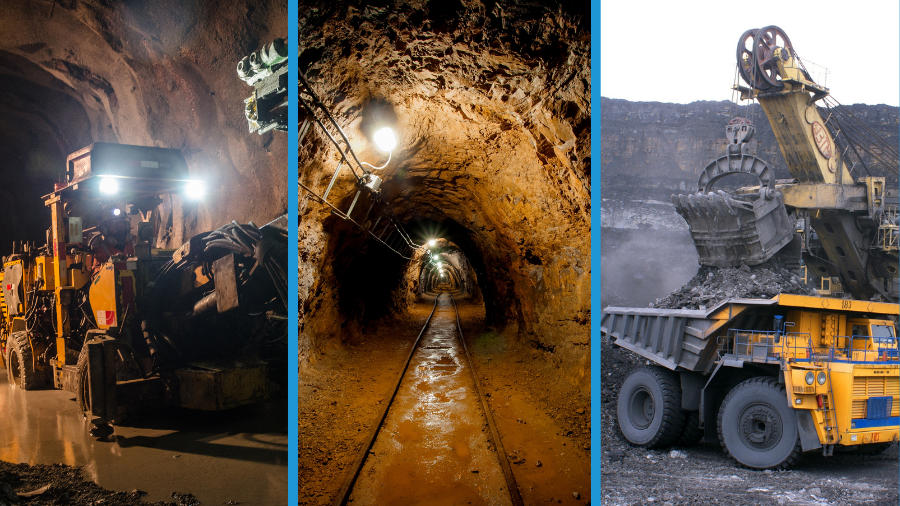
Mining is one of the most important industries in Australia. The industry employs around 314,500 people, and metal ore mining is the largest sector.
It’s not just about coal or iron ore either. Mining also provides jobs in areas like gold, copper, lithium, silver and uranium. But don’t worry if you’re not an expert with a degree in geology or engineering!
What qualifications do I need?
You might be wondering what qualifications you need to work in mining. Well, here are some things to keep in mind:
For many roles, you’ll need skills in trades like welding, electrical work, machinery operation and maintenance, or diesel mechanics.
Some roles also need you to read plans and technical drawings. You can’t just go into a mine unprepared! But if you don’t have a trade, don’t worry. You can still start in entry level roles like trade assistant, driller’s offsider or camp staff, and many employers train new starters on site.
I’m sure you’re with me on this one…
There are plenty of roles available at all levels. It’s all about being willing to learn new things and taking the initiative when it comes down to it!
Foreign workers play a big part in Australia’s mining industry. They bring skills, hard work and new ideas to sites across the country, and many build long careers here.
FAQs about FIFO jobs for foreigners
Can foreigners get FIFO jobs in Australia?
Yes. You need a visa that lets you work full time in Australia. Some employers may also sponsor skilled workers.
Do FIFO employers pay for flights and accommodation?
Many do. Most mining companies cover your flights from a set city, plus your meals and accommodation on site. Always check your contract, as this can change between employers and roles.
Can I do FIFO work on a temporary visa?
It depends on your visa. Some temporary visas have limits, such as how long you can work for one employer. Check your visa conditions before you apply for a FIFO job.
Do I need experience to get a FIFO job?
Not always. Entry level roles like trade assistant, driller’s offsider and camp staff often train new starters on site. Tickets like First Aid, a White Card or an HR licence will help your application stand out.
Sending money home from a FIFO job
Many foreign FIFO workers support family back home. With strong pay and few expenses on site, a FIFO roster can help you send more each month.
With Rocket Remit, you can send money from your phone in a few taps. You’ll see the rate and fees before you send, so you know what your family receives.
About Rocket Remit
Rocket Remit is a fast international money transfer service. Send money to over 60 countries at very competitive rates.
Use the country selector to choose the country and check the rate.
Find out more about how to send money with Rocket Remit