How to avoid scams in Australia
Last year, scams cost Australians billions of dollars. Knowing how to avoid scams starts with understanding how they work. Behind every one of those reports is a real person, often someone sending money to support family overseas, exactly the kind of transfer our customers make every day.
Scam Awareness Week 24 to 28 August 2026 | No One’s Just a Number
In short:
- • Scammers stole $2.2 billion from Australians in 2025
- • 481,523 scams were reported.
- • 274,577 individual victims were personally affected, behind every one of those numbers is a person, not a statistic
- • Investment scams caused the biggest losses overall, with payment redirection and romance scams also among the costliest.
This Scam Awareness Week, we’re breaking down the most common scams in Australia today, so you know how to avoid scams before they cost you.
How to avoid scams: where the money goes by scam type
Source: National Anti-Scam Centre, Targeting Scams Report 2025
$837.7 million lost to investment scams
$166.8 million lost to payment redirection scams
$139.9 million lost to romance and relationship scams
$97.6 million lost to phishing scams, the most reported scam type on Scamwatch in 2025
$69.9 million lost to remote access scams
How to avoid scams: the main types you need to know
Payment redirection scams (invoice fraud)
Scammers intercept an invoice or payment request and swap in their own bank details, so money meant for a builder, supplier or family member ends up in the scammer’s account instead. This type of invoice fraud is one of the most common ways businesses and individuals lose money during a transaction.

“To save $20,000 takes a lot of time. It’s a shocking feeling when your hard-earned money has gone.” Mannu lost his $20,000 building deposit after clicking a payment link that looked legitimate.
Always confirm account details independently before you pay, never from a link in a message.
Romance scams
Romance scams in Australia are on the rise. Someone builds an online relationship over weeks or months, often using a stolen photo and a believable backstory, then invents an emergency and asks for money.
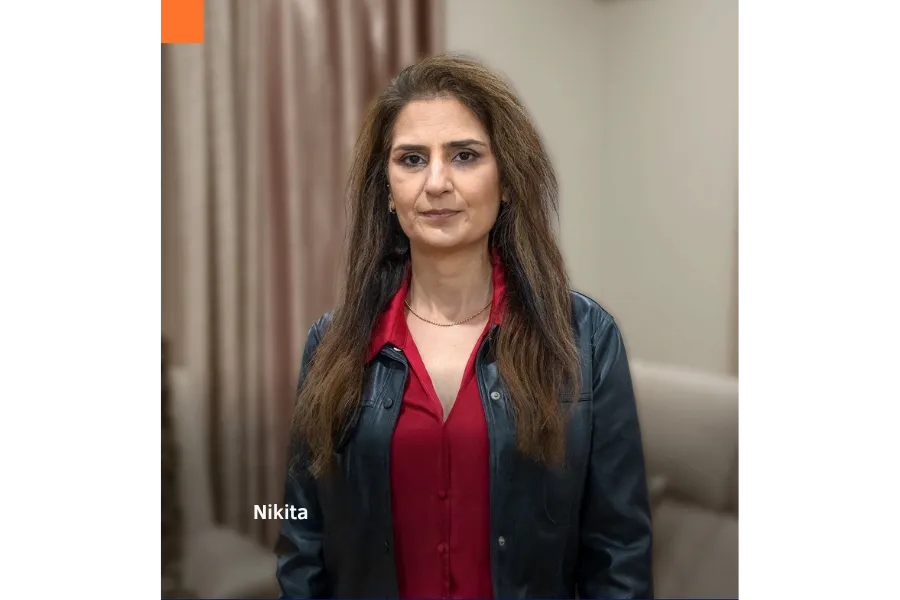
“I never thought it would happen to me. But it can happen to anyone.” Nikita sent $5,000 to a supposed pilot after weeks of messages, and was blocked the next day.
Romance scams rely on trust built over time, which is what makes them so damaging and so easy to miss until it’s too late.
Investment scams
Fake opportunities promising high, fast returns, using polished websites and fabricated credibility. This is the single biggest category of loss in Australia.
Phishing scams
A text, email or call that looks like it’s from your bank or a trusted company, designed to rush you into sharing a code or clicking a link. Phishing scams were the most reported scam type on Scamwatch in 2025, with 65,361 reports.

“I guess their tactic is that they rush you through it and make you panic. As soon as I hung up the phone, I just knew. My heart sank.” Lindy shared a one-time code with a scammer posing as PayPal support, after a text about a laptop purchase she never made
Impersonation scams
Scammers pretend to be someone you know and trust, often a family member, to convince you to send money urgently.
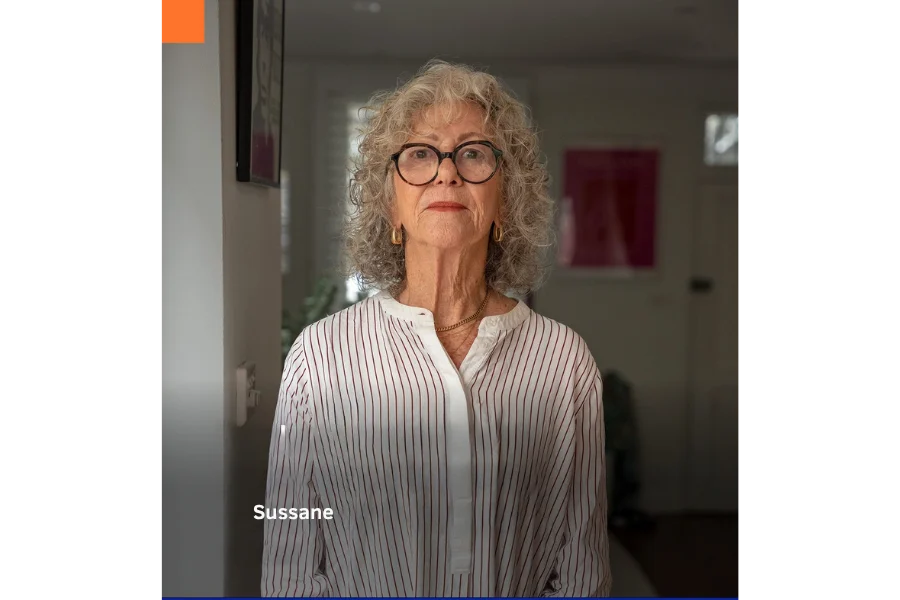
Susanne received messages she believed were from her daughter, saying her phone had broken and her bank account was frozen. She transferred nearly $26,000 before calling her daughter directly and realising what had happened.
Remote access scams
Scammers pose as tech support or a trusted company and talk victims into installing software that gives them control of a device, then use that access to steal money or personal information.
How to avoid scams: three steps that work every time
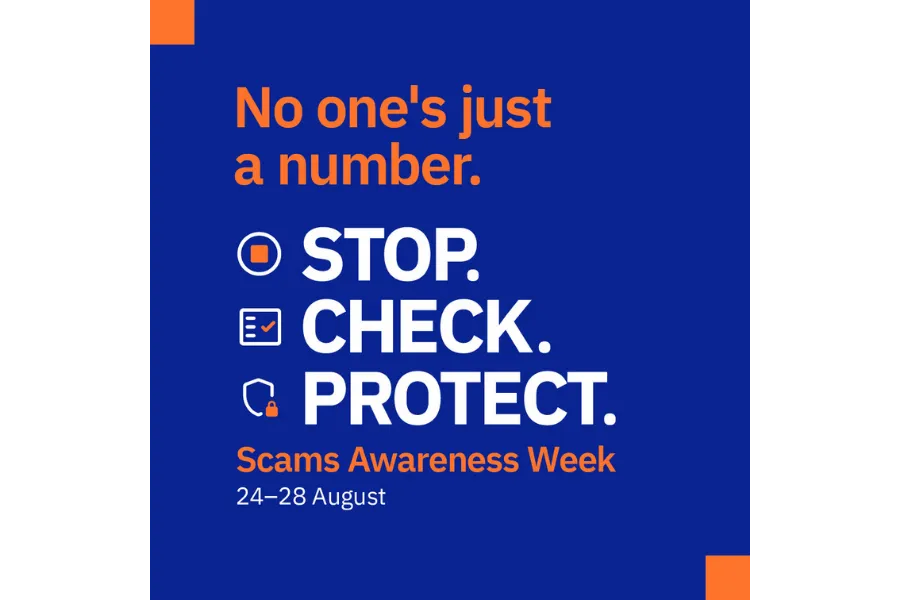
Stop. Don’t rush. Scammers manufacture urgency on purpose, so a moment’s pause is often all it takes to break the spell.
Check. Verify who you’re really dealing with. Call the person or organisation using a number you’ve found yourself, never one supplied in the suspicious message.
Protect. If something’s gone wrong, act fast. Contact your bank immediately, and report the scam to Scamwatch, even if you haven’t lost money. Every report helps stop the next one.
What we do to help protect you
When you send money with Rocket Remit, we never ask you to confirm sensitive account details by text or unsolicited email, and we encourage you to always verify recipient details directly before a transfer is sent. If anything about a payment request feels off, stop and get in touch with us before proceeding.
No one is “just a number.” Talking about scams, and reporting them, is one of the most powerful ways we protect each other.
Learn more or report a scam at scamwatch.gov.au
Frequently Asked Questions on how to avoid scams
What should I do if I think I’ve been scammed during a money transfer?
Contact your bank immediately to see if the payment can be stopped or recovered, then report it to Scamwatch at scamwatch.gov.au, even if you haven’t lost money. Reporting helps authorities act faster and warns others.
How do I know if a payment request is genuine?
Never rely on contact details or links included in the message itself. Call the person or organisation using a number you’ve sourced independently, such as from their official website or a previous confirmed conversation.
Can scams happen to anyone, even careful people?
Yes. Scammers use urgency, trust and realistic impersonation to catch people off guard, regardless of age, background or experience. That’s exactly why awareness and a pause before acting matter so much.
How can I tell if I’m being targeted by a romance scam?
Watch for someone who avoids video calls, quickly moves the relationship off the original platform, and eventually asks for money to deal with an emergency, medical bill or travel cost. A genuine connection doesn’t need to be rushed, and a real partner won’t ask you to send money before you’ve met in person.
What is Scam Awareness Week?
Scam Awareness Week is Australia’s annual campaign, run by the National Anti-Scam Centre, to help people recognise, avoid and report scams. It brings together government, businesses and community groups to share real stories and practical tools like Stop, Check, Protect.
I received a convincing phishing email from a company I actually use, how do I check if it’s real?
A well-written, professional-looking email doesn’t mean it’s genuine. Two quick checks catch most phishing attempts:
First, look at the sender’s actual email address, not just the display name, scammers often use an address that doesn’t match the real company at all.
Second, hover over any link without clicking it, and check where it actually points. If the web address doesn’t include the company’s real name, or looks unfamiliar or misspelled, don’t click it. When in doubt, go directly to the company’s official website or app yourself, rather than using any link in the email.
About Rocket Remit
Rocket Remit provides fast international money transfers from Australia, New Zealand and the United Kingdom to supported destinations. Transfer availability, delivery method and processing times vary by country and transaction.
Use the country selector to choose the country and check the rate.
Click here for more information on how to send money using Rocket Remit.
Download the Rocket Remit app from Google Play or the App Store